


Carded vs Combed Yarn in Socks Production – Walknes Explains the Difference
In socks production, carded and combed yarns differ primarily in their processing, fiber quality, and end use characteristics. At Walknes Socks, we have prepared a breakdown of the main differences for you:
1. Yarn Formation and Processing
Carded Yarn
- Carding is the initial process of disentangling, cleaning, and intermixing fibers to produce a continuous web or sliver.
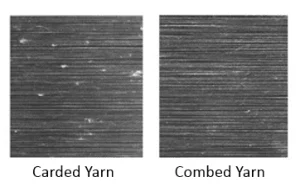
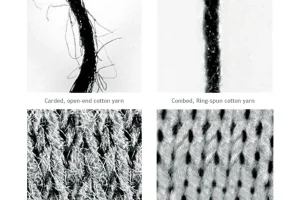
- It aligns fibers somewhat but leaves short fibers, neps (fiber knots), and residual impurities in the blend.
- No further refining — low precision, but quick and cost-effective.
- Suitable for thicker yarns, often used in cozy or rustic-style socks.
Combed Yarn
- Additional combing step after carding.
- The combing machine removes:
- Short fibers (typically < 0.5 inches)
- Foreign matter and neps
- Weak or immature fibers
- Results in a highly uniform, clean, and parallel fiber alignment.
- Produces a higher-quality yarn that is finer, stronger, and smoother.
Walknes Socks Manufacturer – Carded vs Combed Yarn in Socks Production
Walknes Socks Manufacturer – Carded vs Combed Yarn in Socks Production
2. Impact on Sock Characteristics
| Characteristic | Carded Yarn Socks | Combed Yarn Socks |
|---|---|---|
| Softness | Less soft, more fiber ends sticking out | Very soft, fewer protruding fibers |
| Durability | Lower; short fibers reduce tensile strength | Higher; long fibers resist breakage |
| Pilling | More prone to pilling due to loose ends | Resists pilling due to better fiber cohesion |
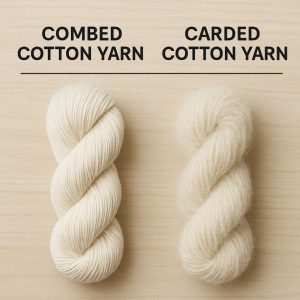
| Appearance | Dull, fuzzy finish | Smooth, lustrous surface |
| Breathability | Good, but uneven fiber lengths affect airflow | Excellent, especially in lightweight socks |
| Elasticity | May deform over time | Retains shape better due to strong structure |
| Color Retention | Slightly poorer (rougher surface traps dirt) | Better dye affinity due to smoothness |
3. Production & Cost Considerations
Walknes Socks Manufacturer – Carded vs Combed Yarn in Socks Production
Carded Yarn
- Advantages:
- Lower cost (materials + energy)
- Faster production cycle
- Good for mass production of budget socks
- Disadvantages:
- Inconsistent yarn = harder to control sock uniformity
- Not ideal for demanding applications (sports, workwear)
Combed Yarn
- Advantages:
- Superior quality, consistent fabric
- Ideal for premium brands, athletic socks, or medical socks
- Disadvantages:
- Higher cost due to fiber loss (~15-20% of cotton is removed during combing)
- Slower production due to added processing
4. End-User Perspective
- Carded Yarn Socks:
- Tend to feel coarser over time
- May shrink or pill after repeated washes
- Preferred in low-cost, seasonal, or bulk retail markets
- Combed Yarn Socks:
- Luxurious, comfortable feel
- Withstands repeated washes without major degradation
- Appeals to quality-conscious, eco-friendly, or athletic users
Application Examples
| Sock Type | Preferred Yarn Type | Reason |
|---|---|---|
| Fashion Socks | Combed | Soft feel and color fidelity |
| Work Socks | Combed | Strength and abrasion resistance |
| Winter Wool Socks | Carded | Loft and warmth prioritized over smoothness |
| Kids’ Budget Socks | Carded | Cost-effective for fast-growing feet |
| Performance Socks | Combed | Moisture wicking, fit retention, minimal pilling |
You can check out our other blog where we wrote about the importance of choosing yarn in quality sock production.
As Walknes Socks Factory, we have always used Combed Cotton yarn in all our sock production for years and recommend it to our customers. You can contact us for more technical information and your orders.
”We continue to share with you the production know-how we have learned over many years. You can also read our other sock blogs to improve your sock experience and we would be very happy if you share your opinions and suggestions with us.”
🏭 Walknes Socks Manufacturer
📬 info@walknes.com
🌐 walknes.com
Walknes Socks Manufacturer – Carded vs Combed Yarn in Socks Production